

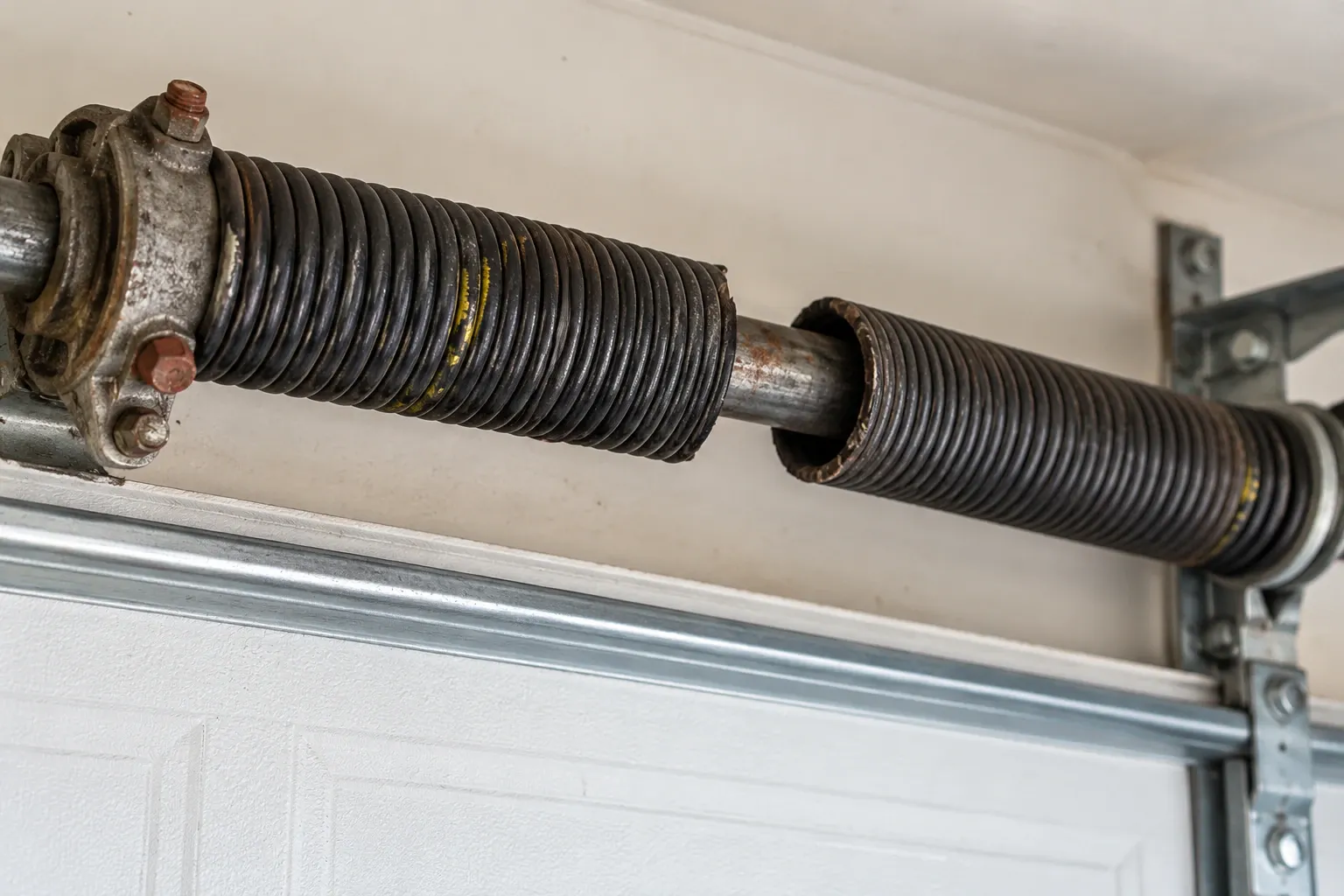
How Long Do Garage Door Springs Last? Cycles, Wear and Safety
Monday, November 16, 2026
How long do garage door springs last? Many standard residential springs are rated for about 10,000 opening-and-closing cycles, while some higher-cycle options are made for more use. The number of years depends on how often the door moves, the spring design, installation, and its condition.
A household using the door twice a day may get a very different service life from a busy home opening it many times. There is no single expiry date that applies to every spring.
A spring failure can leave the door heavy, crooked, or unsafe to move. This guide explains cycle ratings, the difference between torsion and extension springs, and how to spot trouble without touching high-tension parts. For local help, Lions Gate Garage Doors offers garage door repair services across the Lower Mainland.
Quick takeaways
- Spring life is rated in full open-and-close cycles.
- At four cycles a day, 10,000 cycles is about 6.8 years.
- Never handle high-tension spring hardware yourself.
What is a garage door spring cycle?
One cycle means one full opening and closing of the garage door. Spring makers and installers use cycle ratings to describe an expected fatigue life under the proper load and conditions. A spring rated for 10,000 cycles is not promised to fail at cycle 10,001.
Some fail earlier due to damage, corrosion, poor sizing, or unusual use, while others last longer. Ratings are a planning tool, not an exact countdown.
Consider everyday habits. If the door opens and closes four times each day, that is roughly 1,460 cycles a year. A 10,000-cycle rating would be about 6.8 years at that use rate in a simple calculation.
At two cycles per day, the same rating is closer to 13.7 years. Real-world life still varies, but thinking in cycles explains why two neighbours with similar doors can replace springs in different years.
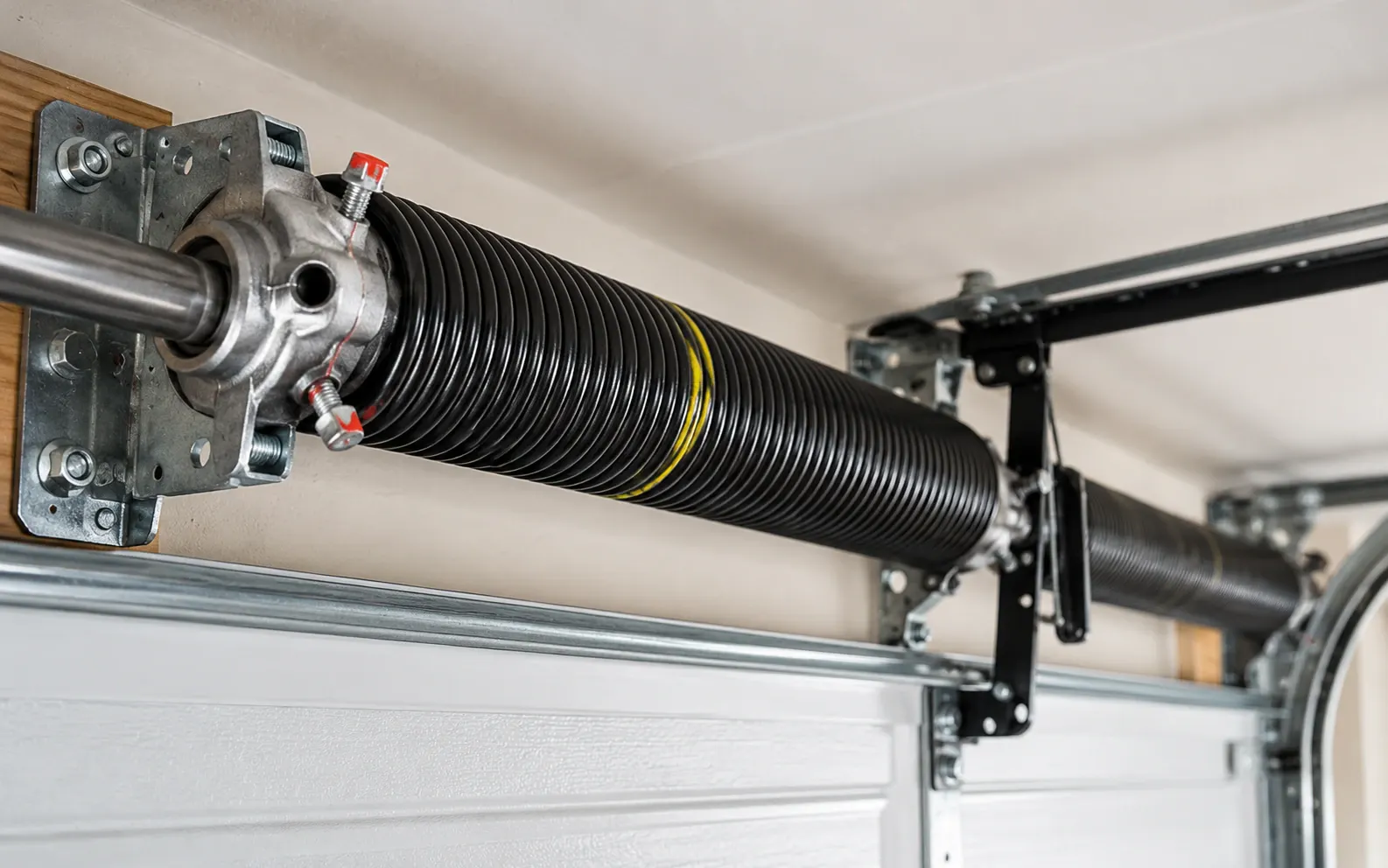
Example lifespan for a 10,000-cycle spring
Full cycles each day
Cycles each year
Estimated years
2
730
About 13.7
4
1,460
About 6.8
6
2,190
About 4.6
8
2,920
About 3.4
Torsion springs versus extension springs
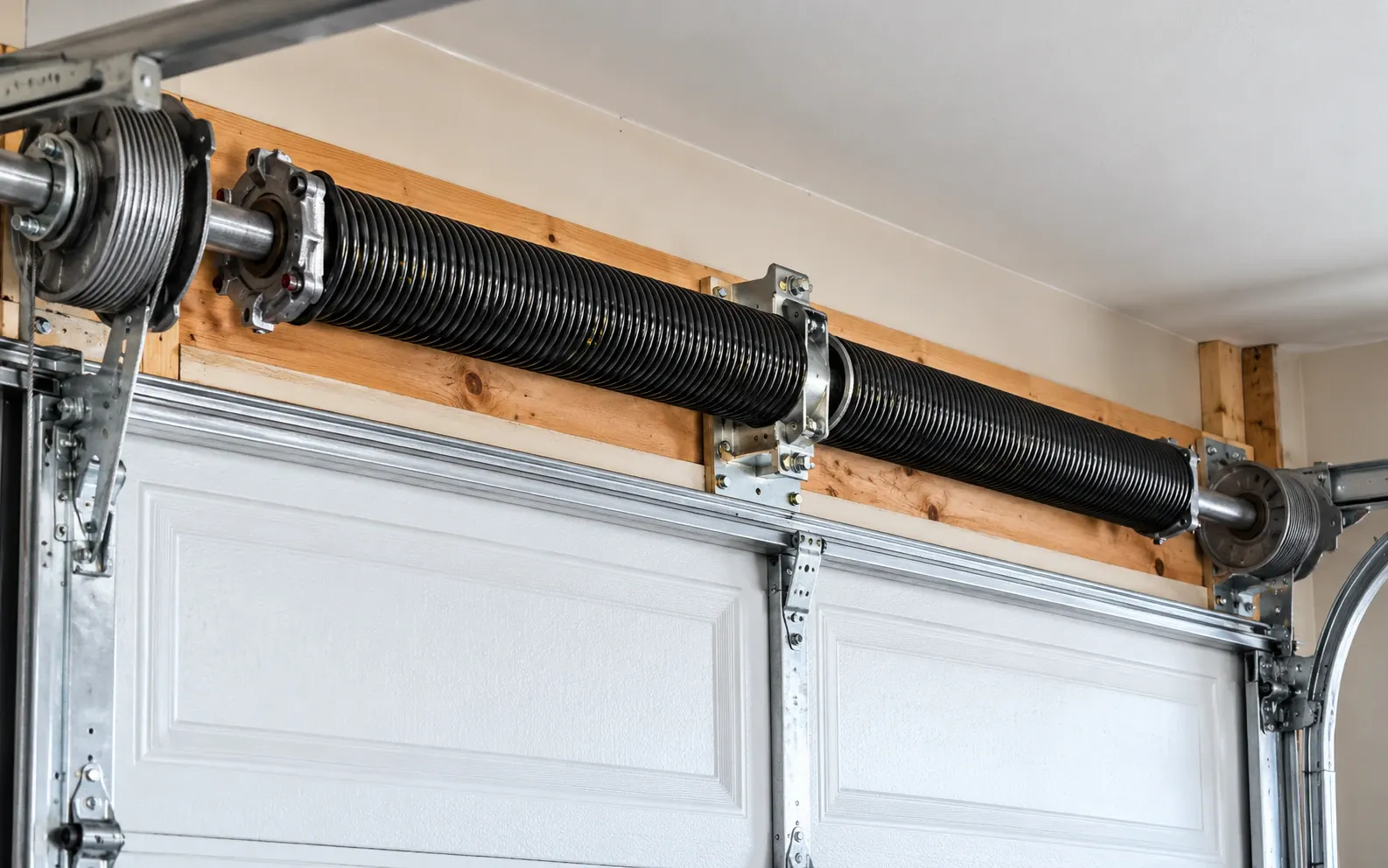
Torsion springs usually sit on a shaft above the garage door. They twist to store energy and help balance the weight as the door moves. Extension springs are often installed along the horizontal track system and stretch during operation.
Both types support a heavy moving door. The correct setup depends on the door's design, weight, available space, and manufacturer's system.
You should not pick a replacement spring only because it looks the same length as the old one. Wire size, inside diameter, spring length, winding direction, and the door's measured weight can all matter on a torsion system. Improperly sized springs can cause poor balance and place stress on the opener. A qualified technician can identify the right parts and carry out controlled testing after replacement.
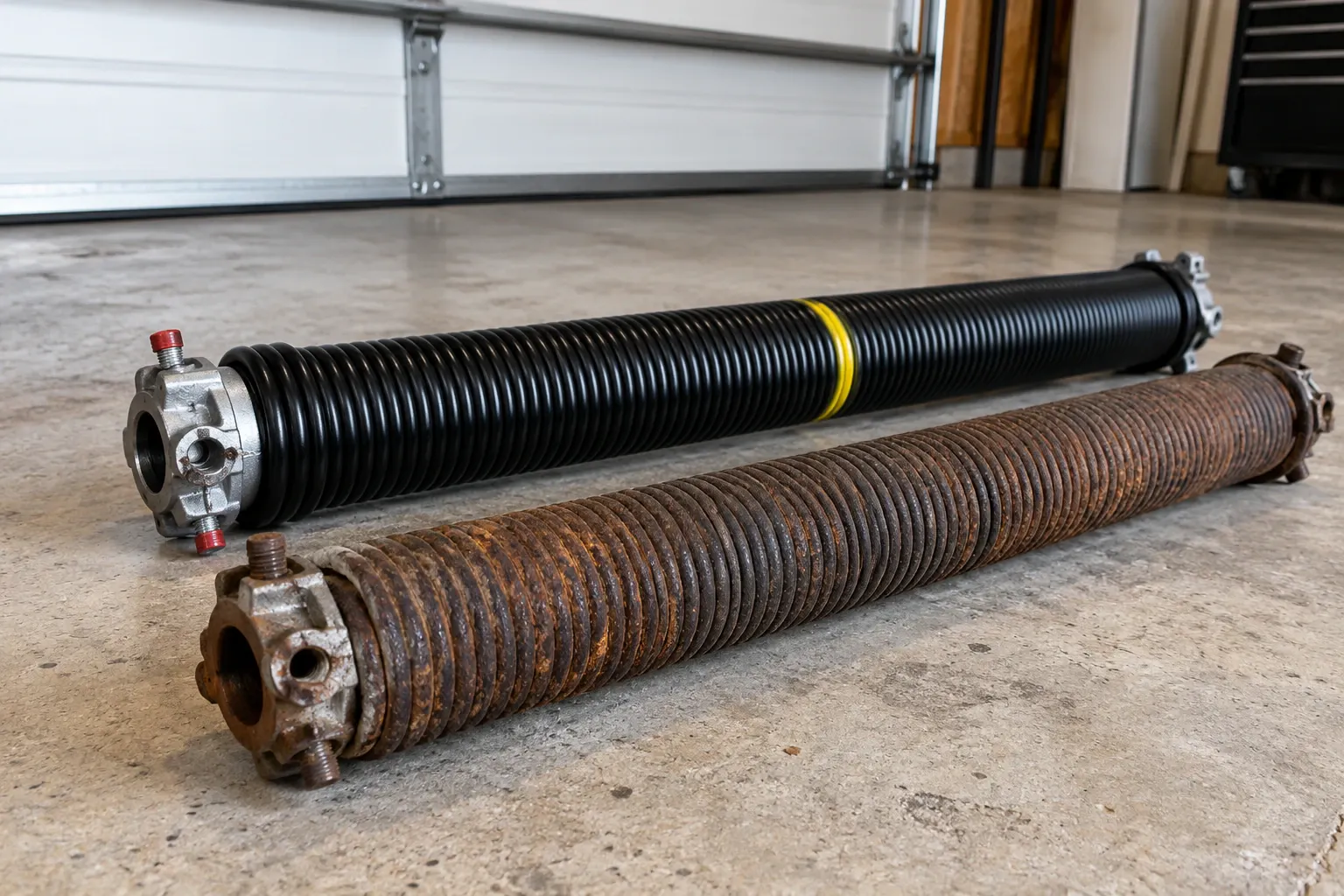
Why some garage door springs wear out faster
Spring life depends on use and the condition of the system. The main factors are:
- How many full open-and-close cycles happen each day.
- Whether springs were sized for the actual door weight.
- Water, rust, and poor upkeep near exposed hardware.
- Wear in rollers, tracks, or other moving parts.
- Changes to the door that add weight, such as new panels.
Environmental exposure matters, too. Lower Mainland weather brings long wet seasons, and metal parts may be exposed to damp air. Surface rust is a reason to inspect, but it does not by itself measure the spring's remaining life.
Ask for a full system check instead of relying on one visible spot. Our existing article about why torsion springs may break in winter looks at seasonal concerns in more detail.
Warning signs your springs need attention
You cannot judge spring life by age alone. Arrange a professional check if you notice:
- A visible gap in a torsion spring coil.
- A sudden loud bang followed by a stuck door.
- A crooked door or cable hanging loose.
- The opener strains and the door hardly moves.
- Uneven travel or a door that feels too heavy.
Do not try to lift a heavy, unbalanced door or keep pressing the opener. If the door is open and unsafe, stay out of its path and contact a professional. Never release a potentially unsupported door.
The site's broken garage door spring signs guide provides a symptom checklist. This article focuses on lifespan and planning rather than repeating that full troubleshooting guide.
Can maintenance help springs last longer?
Good maintenance can support reliable operation and reveal early damage. A technician can check door balance, hardware, corrosion, cables, rollers, and spring condition as part of a service. Lubrication should follow the spring and door manufacturer's guidance, because the wrong product or method can create problems. Keeping tracks and surrounding areas clear also helps the door move without added resistance.
Maintenance does not reset a spring's fatigue life. Once metal has experienced many loaded cycles, it cannot be made new with oil or adjustment. Treat repeated binding, sudden noise changes, or visible wear as reasons for inspection. The garage door maintenance checklist covers seasonal observations homeowners can make without disturbing the counterbalance system.
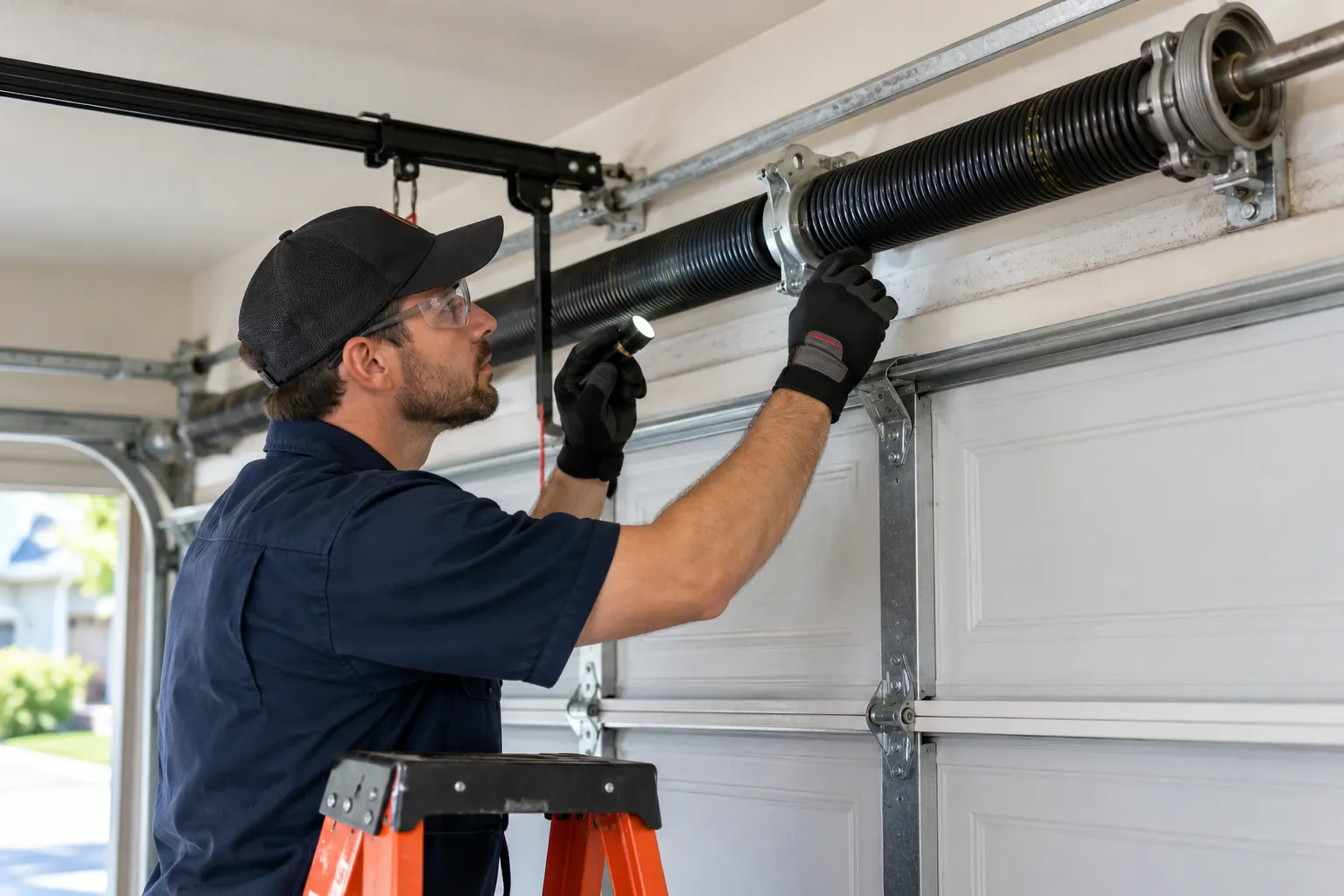
Should you replace both springs at the same time?
Some garage doors use a pair of torsion springs. If one fails, the second may have experienced a similar number of cycles. Replacing both can sometimes reduce the chance of another near-term service call, but the right choice depends on the system, condition, spring specifications, and what the technician finds. Do not assume every door has two springs or that every paired setup must be handled the same way.
Ask whether the replacement will use a standard or higher-cycle option and why it is suited to the door. A properly matched system is more important than buying the spring with the largest advertised number. You should also ask whether the quote includes new related hardware if needed, safe balancing, and an opener check after the door is repaired.
Why spring replacement is not a DIY job
Garage door springs store enough energy to cause serious injury when handled without proper training. Torsion spring winding and unwinding involves specialized methods, while extension systems also need safe control of stored force. Bottom fixtures and lift cables may be connected to that same loaded system. Removing the wrong bolt or trying to copy a video can create sudden movement.
There is nothing wrong with noting the symptoms, taking a distant photo, and asking for service. The unsafe step is attempting to adjust, unwind, or replace a spring yourself. Disconnecting the opener does not remove spring tension. See our existing article on DIY garage door repair safety if you need a clear explanation of which parts require professional work.
Frequently asked questions about spring life
Do garage door springs last 10 years?
Some do, but years alone are not the best measure. Cycle rating, daily use, door weight, and system condition all affect the lifespan.
Can I keep using my opener after a spring breaks?
No. A broken spring can leave the door too heavy for safe operation. Stop using the door and have the spring system inspected.
Are high-cycle garage door springs worth it?
They may be useful for a busy household with frequent door use. Ask whether the option is correctly sized and how its added cost compares with your needs.
Plan before a spring failure traps your vehicle
If your garage door is becoming noisy, uneven, or hard to operate, get the system checked rather than waiting for a complete stop. Lions Gate Garage Doors offers professional garage door repair. Share your concerns through the contact page and ask about suitable spring options for your door's daily use.