

The Ultimate Garage Door Maintenance Checklist for Spring & Fall
Wednesday, August 26, 2026
Spring and fall are the best times to give your garage door a careful check. Seasonal temperature changes, rain, dirt, moisture, and daily use can slowly wear down seals, rollers, hinges, springs, and opener parts. A simple maintenance routine can help you spot small problems before they turn into noisy operation, breakdowns, or safety concerns.
For BC homeowners, preparing the door before wet winter weather and checking it again after winter can make a real difference. This garage door maintenance checklist explains what to inspect, clean, test, and maintain each spring and fall, plus when to call a qualified professional.
What Garage Door Maintenance Should You Do in Spring and Fall?
Spring and fall garage door maintenance should include a visual inspection, cleaning, lubrication, weather-seal checks, safety sensor testing, opener testing, hardware inspection, and a check for unusual movement or noise. Springs, cables, and other high-tension parts should be inspected visually but serviced only by a professional.
Spring maintenance helps you find damage caused by colder and wetter weather. Fall maintenance helps prepare the door for rain, cold temperatures, wind, and heavier winter use.
Regular checks can also help you notice small issues before they affect other parts of the garage door system.
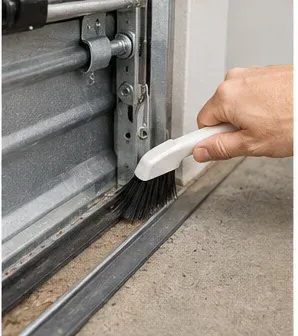
Why Seasonal Garage Door Maintenance Matters
Your garage door is one of the largest moving systems in your home. Depending on your routine, it may open and close several times every day.
Every movement puts some wear on the rollers, hinges, springs, cables, tracks, opener, and other parts.
Weather adds another challenge.
In British Columbia, garage doors can face long periods of rain, damp conditions, temperature changes, dirt, leaves, and winter moisture. These conditions can affect metal components, weather seals, tracks, and door panels.
Seasonal maintenance gives you a chance to catch problems early.
A door that is slightly noisy in spring may become much louder later. A small crack in the bottom seal may allow water and pests into the garage by fall. A roller that moves poorly can add extra strain to other components.
If you want more ways to avoid unexpected problems, our guide on how to prevent garage door disasters covers other important warning signs.
Spring vs Fall Garage Door Maintenance
Although many maintenance steps are useful in both seasons, your priorities may change during the year.
| Maintenance Area | Spring Focus | Fall Focus |
|---|---|---|
| Door surface | Clean winter dirt and moisture marks | Check damage before wet weather |
| Weather seals | Look for winter cracking | Make sure seals are ready for rain and cold |
| Tracks | Remove dirt and debris | Clear leaves and outdoor debris |
| Hardware | Check for winter-related wear | Tighten loose visible hardware |
| Rollers and hinges | Inspect for noisy movement | Lubricate suitable moving points |
| Safety sensors | Clean and test | Clean and test |
| Door balance | Watch for uneven movement | Check before colder weather |
| Springs | Look for visible damage | Watch for rust, gaps, or unusual sounds |
| Opener | Test normal operation | Check before darker winter months |
| Garage perimeter | Check moisture entry | Check gaps that may allow pests inside |
The goal is not to completely rebuild or adjust your garage door twice a year. It is to identify changes before they become larger problems.
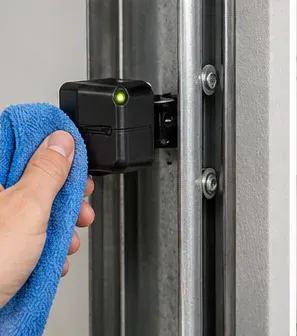
The Spring and Fall Garage Door Maintenance Checklist
Use this checklist as a simple seasonal routine. If you find damaged springs, frayed cables, loose bottom brackets, an off-track door, or other high-tension problems, stop using the door when it is unsafe and contact a professional.
- Watch and listen to one complete opening and closing cycle.
- Inspect the door panels for cracks, dents, rust, or other damage.
- Clean the exterior and remove dirt from around the tracks.
- Check the bottom, side, and top weather seals for gaps or wear.
- Inspect rollers and hinges for visible wear or unusual movement.
- Look at springs and cables from a safe distance without touching or adjusting them.
- Check visible nuts, bolts, and brackets for obvious looseness.
- Lubricate approved moving parts with a garage-door-safe lubricant.
- Clean the photo-eye safety sensors.
- Test the opener's safety reversal system according to its manufacturer's instructions.
- Check that remotes, wall controls, and keypads operate correctly.
- Look for daylight or water around the closed door.
- Remove leaves, stones, and other debris near the bottom seal.
- Check for signs of pests near corners and weather stripping.
- Call a professional if the door is heavy, crooked, jerky, unusually noisy, or unreliable.
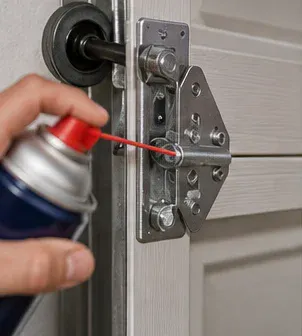
1. Watch the Garage Door Move
One of the easiest maintenance checks requires no tools.
Stand inside the garage at a safe distance and watch the door complete one full opening and closing cycle.
A healthy door should move in a controlled way. Pay attention to changes from its normal operation.
Watch for shaking, jerking, uneven movement, slow operation, or one side moving differently from the other.
Listen as well.
A sudden grinding, scraping, popping, or banging sound deserves attention. Garage doors are not silent, but a new or worsening noise can point to wear.
If the door starts moving crooked or becomes unreliable, professional garage door repair can help identify the problem before another component is damaged.
2. Inspect the Door Panels
Next, inspect the front and back of the garage door.
Different materials show wear in different ways. Steel doors may develop dents or rust around damaged areas. Wood doors may show cracking, peeling finishes, or moisture damage. Glass and aluminum doors should be checked for damaged panels, seals, or frames.
Small cosmetic marks may not affect operation.
Large cracks, badly bent sections, or loose panels can be more serious because each section needs to move correctly as the door travels along the tracks.
Spring is a useful time to check for damage after winter. Fall is a good time to make sure existing damage will not create a problem during wetter weather.
3. Clean the Garage Door
Cleaning is one of the safest maintenance tasks homeowners can perform.
Dirt, road dust, leaves, bird droppings, salt, and other material can build up on the exterior over time.
Use a gentle cleaner that is suitable for your door's material. A soft cloth or sponge can help remove dirt without scratching the finish.
Avoid aggressive scrubbing or harsh chemicals unless the door manufacturer says they are safe.
Cleaning is not only about appearance. It also gives you a better view of the panels so you can notice cracks, rust spots, loose trim, or other changes.
4. Check the Bottom Weather Seal
Close the garage door and inspect the rubber or vinyl seal along the bottom edge.
The seal should make contact with the garage floor and help close the space beneath the door.
Over time, bottom seals can become cracked, hard, torn, flattened, or damaged.
A worn seal can allow rain, cold air, dust, insects, and small pests into the garage.
One simple test is to close the door during daylight and turn off the garage lights. Look around the bottom and sides. Visible light may point to a gap.
Uneven concrete can also create gaps even when the seal itself looks fine.
Pests often take advantage of these openings. Our guide on how to rodent-proof your residential garage door explains how garage door gaps can become entry points.
5. Inspect the Side and Top Weather Stripping
Do not stop at the bottom seal.
Weather stripping around the sides and top of the garage door also helps close gaps when the door is shut.
Check for sections that are cracked, loose, missing, bent, or no longer making good contact with the door.
For BC homeowners, this check is especially useful before fall and winter rain.
Good sealing can help keep wind-driven rain, debris, and drafts outside.
Weather seals wear out over time, so replacing damaged sections can be a normal part of garage door ownership.
6. Check and Clean the Tracks
Garage door rollers move through tracks mounted on each side of the opening.
Look inside the tracks for leaves, dirt, stones, or other loose debris that may interfere with movement.
Remove loose surface debris carefully.
Do not try to bend, reposition, loosen, or realign the tracks yourself if they appear damaged or out of position. Track alignment affects the way the full door moves, and incorrect adjustments can create safety problems.
If a roller has left the track, do not force the door back into place.
An off-track door should be inspected by a trained technician.
7. Inspect Rollers and Hinges
Rollers guide the garage door through the tracks, while hinges allow sectional doors to bend as they open and close.
Inspect these components while the door is fully closed.
Look for obvious cracks, loose parts, damaged rollers, or unusual wear.
When operating the door, listen for squeaking, rattling, or grinding sounds.
A worn roller may become noisy or move poorly. Damaged hinges can also affect how smoothly sections move together.
These components experience repeated movement, so seasonal inspection can help you catch wear before it becomes more serious.
8. Lubricate the Right Moving Parts
Lubrication can help reduce friction and noise, but more lubricant is not always better.
Use a product that is suitable for garage door components and follow the door or hardware manufacturer's instructions.
Small amounts may be applied to suitable hinges, roller bearings, springs, or other approved points depending on the system.
Avoid covering the tracks with heavy grease. Garage door rollers need a clean path, and sticky material inside tracks can collect dirt.
You should also avoid using one general household product on every garage door component without checking whether it is appropriate.
The goal is smooth movement, not a thick layer of lubricant.
9. Look at the Springs—But Do Not Adjust Them
Garage door springs do much of the work required to lift the door.
Torsion springs are commonly mounted above the garage opening. Other systems may use extension springs along the sides.
You can inspect springs visually from a safe distance.
Look for obvious gaps, rust, stretched sections, or other visible changes.
Do not loosen bolts, turn spring hardware, use winding tools, or attempt to adjust spring tension.
Springs store a large amount of energy and can cause serious injury if handled incorrectly.
Cold weather can also be hard on aging spring systems. Our article on why garage door torsion springs break in winter explains warning signs to watch for before colder weather arrives.
10. Inspect Garage Door Cables Safely
Cables work with the spring system to help move the garage door.
They are another part homeowners should inspect but not adjust.
Look for visible fraying, loose strands, corrosion, or cables that appear unusually slack.
Do not pull, cut, tighten, or remove a garage door cable.
If something looks wrong, leave the repair to a professional.
A damaged cable can affect the balance of the entire door and may cause the door to move unevenly.
11. Check Visible Hardware
A garage door moves many times during normal use, so vibration can affect visible hardware over time.
Look over hinges, brackets, and fasteners for anything that appears obviously loose or damaged.
Do not adjust hardware connected to the spring or cable system. This includes bottom brackets on many garage doors because cables may be attached to them under tension.
If you are not sure what a bracket does, leave it alone.
Maintenance should reduce risk, not create a new one.
12. Clean and Test the Safety Sensors
Modern automatic garage door systems commonly use photo-eye sensors near the bottom of the opening.
Dirt, spiderwebs, storage boxes, bicycles, and other objects can interfere with the sensor area.
Use a soft cloth to clean the sensor lenses and make sure nothing blocks the path between them.
If the garage door begins closing and then reverses, blinking sensor lights or misalignment may be part of the problem.
Our garage door photo eye troubleshooting guide explains common sensor problems in more detail.
After cleaning, test the system according to the opener manufacturer's instructions.
Never disable or bypass a safety sensor to make a door close.
13. Test the Garage Door Opener
Seasonal maintenance should also include the opener.
Open and close the door using the wall control and remote.
Watch for delayed response, unusual motor sounds, inconsistent movement, or a door that stops unexpectedly.
Check the wall button, remotes, wireless keypad, and smart controls if your system uses them.
Replace remote batteries when needed.
The opener should move a properly balanced door. It should not have to struggle to lift a door that has a spring or hardware problem.
If the motor sounds strained, the cause may not be the opener itself.
14. Look for Water and Moisture Problems
BC's wet weather makes moisture checks important.
After heavy rain, look around the garage door for wet areas.
Water may enter through a damaged bottom seal, worn perimeter weather stripping, gaps around the opening, or drainage problems near the driveway.
Do not ignore regular water entry.
Moisture can affect stored items, door materials, flooring, and other parts of the garage.
Fall is a good time to address these gaps before long periods of wet weather begin.
15. Check the Door Before Winter Arrives
Fall maintenance should focus on getting the entire system ready for colder and wetter months.
Pay special attention to weather seals, springs, rollers, drainage around the door, and unusual noises.
A small issue in mild weather can become much more inconvenient during a cold or rainy morning.
If a garage door is already struggling, moving unevenly, or making new sounds, it is better to have the problem checked before winter rather than waiting for the door to stop working completely.
What Garage Door Maintenance Should You Not Do Yourself?
Basic cleaning and visual inspections are usually reasonable homeowner tasks.
High-tension components are different.
Springs, lifting cables, bottom brackets, and some other parts of the counterbalance system can be dangerous to adjust without the correct training and equipment.
A garage door can also be very heavy when its spring system is damaged.
If you are unsure whether a problem is safe to handle, do not experiment.
Calling a professional is especially important when the door is crooked, off its tracks, unusually heavy, stuck, or supported by a damaged spring or cable.
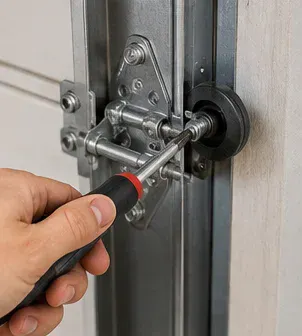
When Should a Garage Door Be Repaired Instead of Maintained?
Maintenance is meant to keep a working door in good condition.
It is not a substitute for repair.
If you find a broken spring, damaged cable, badly bent track, cracked section, failed opener, damaged roller, or serious balance problem, the door needs more than routine maintenance.
Repeated repairs may also be a sign that the entire system is aging.
If you are unsure whether continued repair is worthwhile, our guide to garage door repair vs replacement explains how to compare the two choices.
How Often Should You Check Your Garage Door?
A quick visual check can be done throughout the year.
A more complete seasonal inspection in spring and fall gives homeowners an easy routine to remember.
You should not wait for the next seasonal check if something changes.
A sudden noise, heavy door, damaged cable, broken spring, uneven movement, or safety sensor problem should be addressed when you notice it.
The condition of the door matters more than the calendar.
Frequently Asked Questions About Garage Door Maintenance
What should be included in garage door maintenance?
Garage door maintenance should include visual inspection, cleaning, suitable lubrication, weather-seal checks, roller and hinge inspection, safety sensor testing, opener testing, and checks for unusual noise or movement.
Should I maintain my garage door in spring and fall?
Yes. Spring and fall are useful times for seasonal garage door checks. Spring helps identify winter wear, while fall helps prepare the system for colder and wetter weather.
What parts of a garage door should be lubricated?
Suitable lubrication points vary by garage door system. Hinges, roller bearings, and some spring systems may require lubrication. Follow the manufacturer's directions and avoid coating tracks with heavy grease.
Should garage door tracks be lubricated?
Generally, tracks should be kept clean rather than covered in grease. The rollers need a clear path through the tracks. Follow the manufacturer's instructions for your specific system.
Can I adjust garage door springs myself?
Garage door springs are high-tension components and should not be adjusted by an untrained homeowner. Incorrect handling can cause serious injury or damage.
How do I know if my garage door needs maintenance?
New noises, slow movement, shaking, worn seals, dirty sensors, squeaking parts, or minor visible wear may indicate maintenance is needed. Broken springs, frayed cables, or off-track doors require professional attention.
Why does my garage door get louder in cold weather?
Temperature changes can affect metal parts, lubrication, and older components. Increased noise can also point to worn rollers, hinges, springs, or other hardware, so a changing sound should be inspected.
How can I prepare my garage door for winter?
Check weather seals, clear debris, inspect springs and cables visually, test safety sensors, use suitable lubrication, and make sure the door opens and closes smoothly before colder weather arrives.
Can worn weather stripping cause problems?
Yes. Damaged weather stripping can allow drafts, rain, dust, insects, and pests into the garage. It can also reduce the effectiveness of the seal around the closed door.
When should I call a garage door professional?
Call a professional when you notice a broken spring, damaged cable, off-track door, serious imbalance, heavy movement, repeated opener problems, damaged sections, or anything involving high-tension components.
Final Thoughts
Spring and fall garage door maintenance does not need to be complicated. A careful inspection, basic cleaning, suitable lubrication, seal checks, and safety tests can help you understand the condition of your door before small problems become major ones.
The most important part of maintenance is knowing what you can safely handle and what should be left to a trained technician. Cleaning a sensor or inspecting a weather seal is very different from adjusting a torsion spring or lifting cable.
Make seasonal garage door checks part of your normal home maintenance routine. Pay attention to changes in sound, movement, sealing, and safety features throughout the year rather than waiting for the door to fail.
For professional inspection, maintenance, and repair support across the Lower Mainland, Lions Gate Garage Doors can help keep your garage door operating safely and smoothly through every season.