
How to Rodent-Proof Your Residential Garage Door (Before Mice Move In)
Tuesday, February 10, 2026
Don't let a small gap become a big headache.
Your garage is often the most vulnerable entry point of your home. Between the warmth of the furnace, the smell of birdseed or grass seed, and the shelter from BC's rain, it’s a five-star resort for local rodents.
At Lions Gate Garage Doors Ltd., we don't just fix springs and openers—we help homeowners secure their perimeter. If a rodent can get into your garage, they are only one wall away from your kitchen. Here is how to shut the door on unwanted guests for good.
Why Your Garage is a "Pest Magnet"
Rodents are opportunists. They aren't just looking for food; they’re looking for a dry place to nest. Most residential garage doors have small vulnerabilities that develop over time:
- Worn Weather Stripping: Rubber that has become brittle and cracked.
- The "Surrey Slump": Uneven concrete or settling driveways that create gaps at the corners.
- Chewable Materials: Standard foam seals are no match for a determined rat’s teeth.
Step 1: The "Daylight Test"
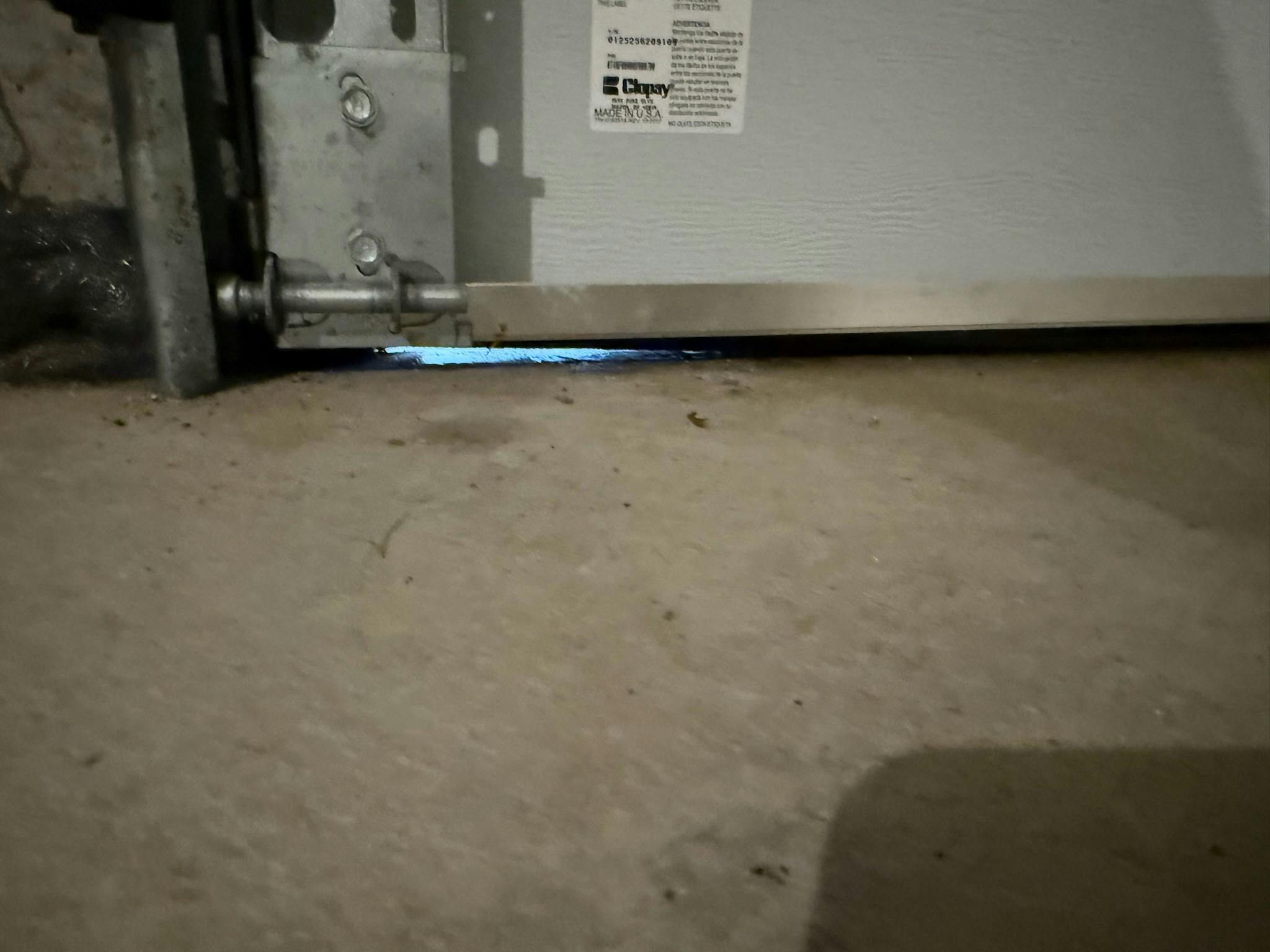
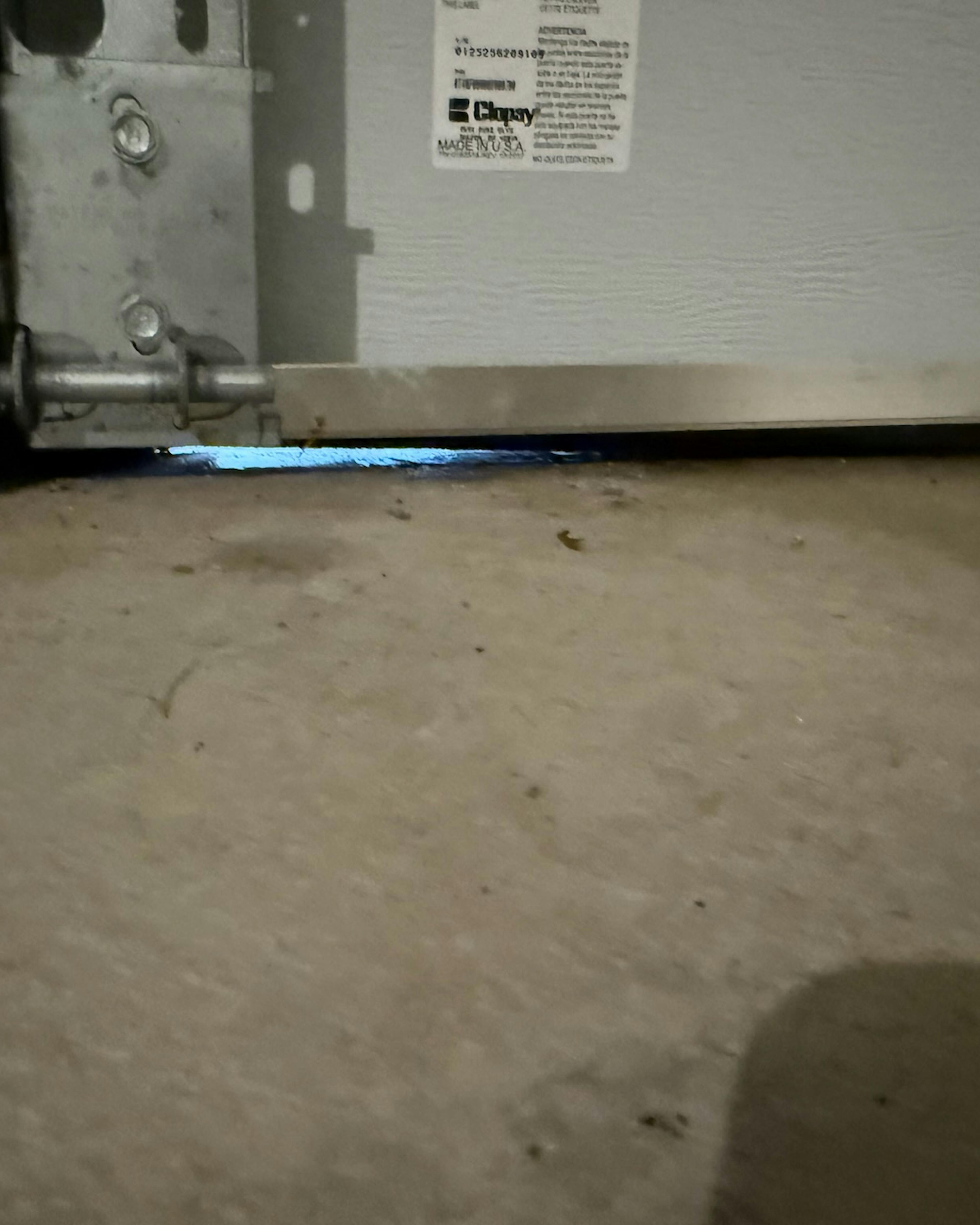
This is the easiest way to find your weak spots. On a sunny day, head into your garage and close the door completely. Turn off the interior lights and look at the perimeter of the door.
- If you see light, they see a way in. * Pay special attention to the bottom corners. This is where the vertical track meets the floor—and it’s the #1 entry point for mice.
Step 2: Upgrade Your Bottom Seal
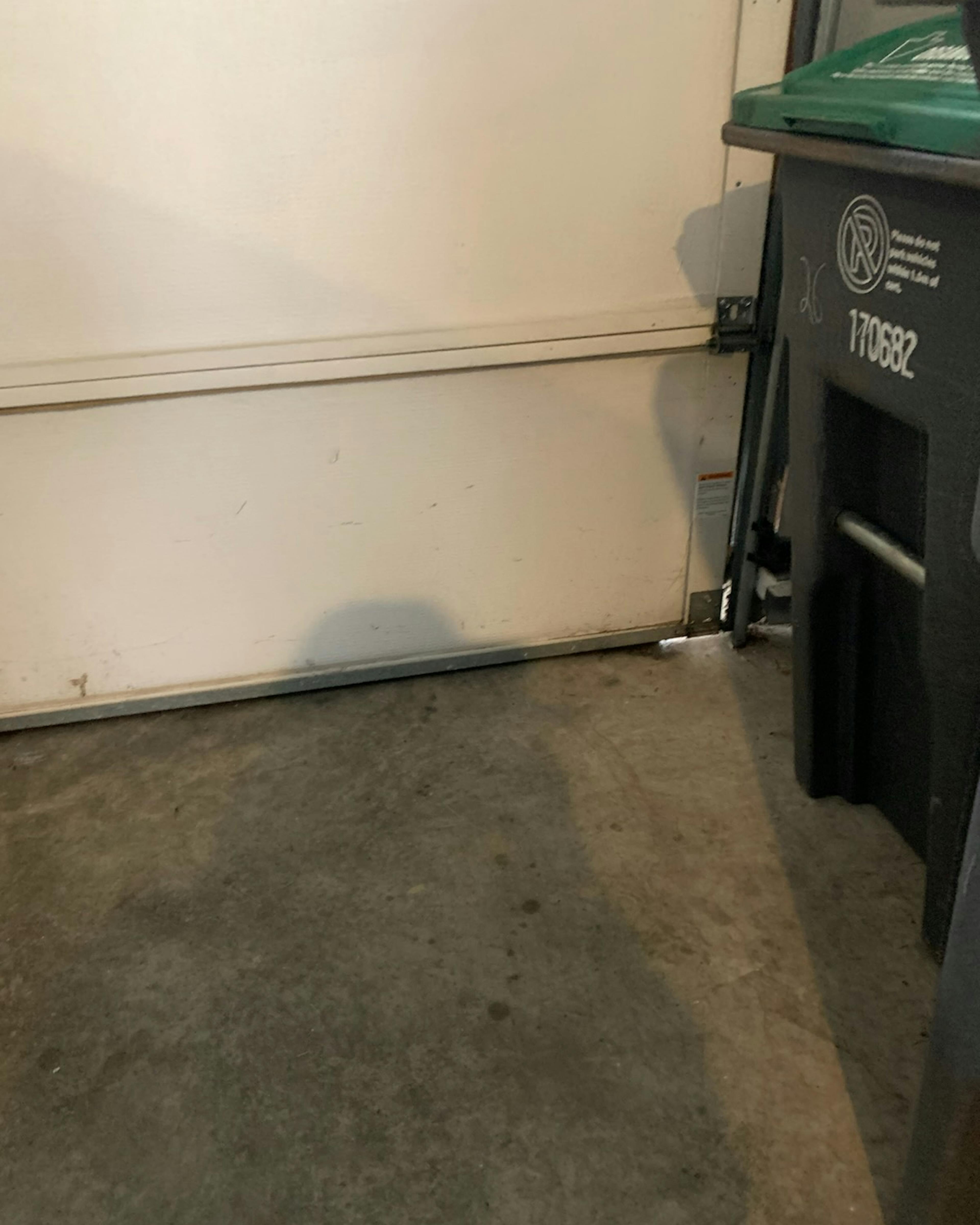
The standard rubber U-shaped seal at the bottom of your door is your first line of defense. However, if it’s flattened or cracked, it’s useless.
Pro-Tip: If you struggle with a "stubborn" gap due to uneven concrete, we recommend installing a garage door threshold seal. This is a heavy-duty strip that adheres directly to the floor, creating a "hump" that the door seals against perfectly.
Step 3: Beef Up the Perimeter (Weather Stripping)
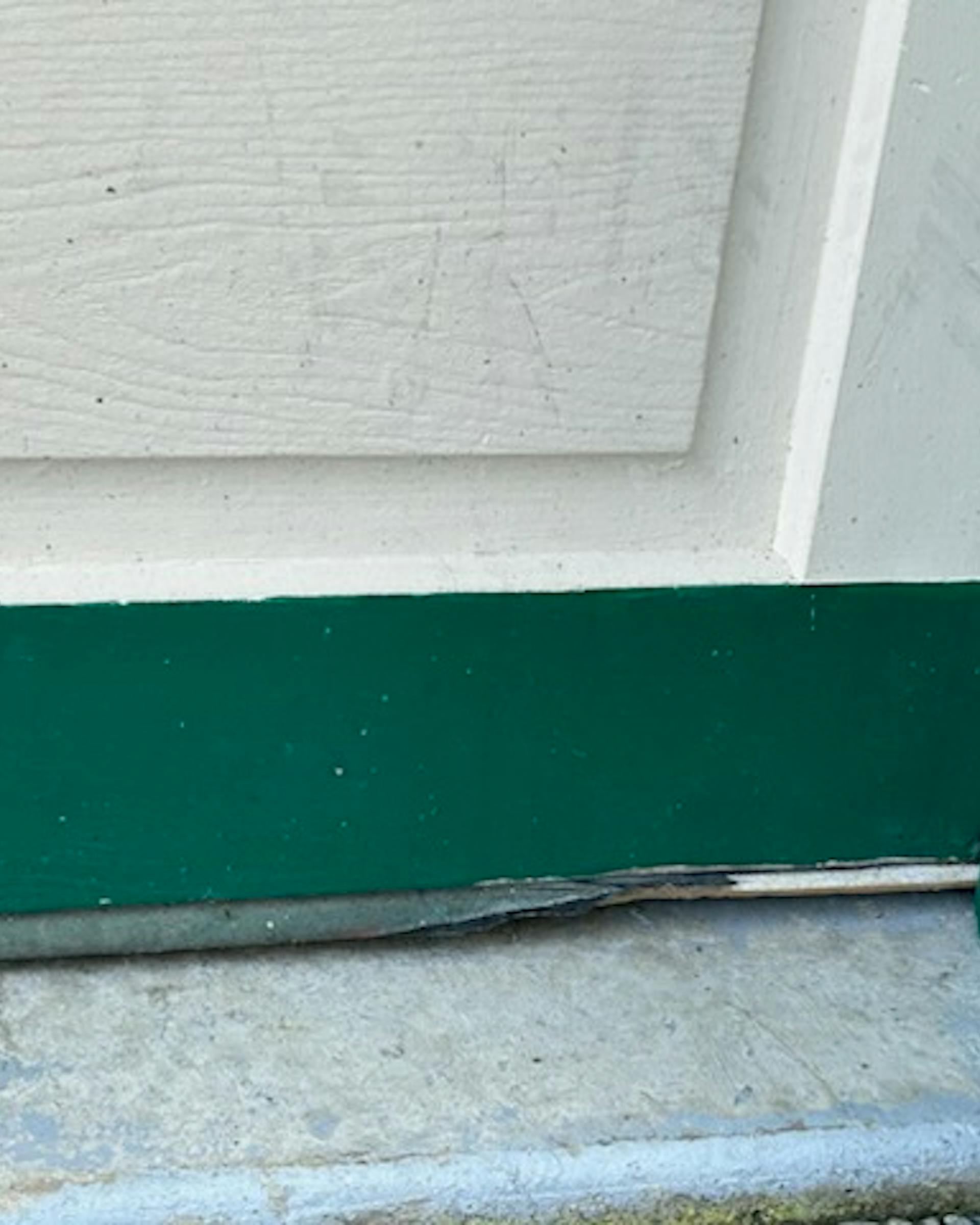
The "stop molding" (the trim on the outside of the door) should press firmly against the door faces.
- Avoid Foam: Rodents can chew through foam in seconds.
- Use Vinyl or Rubber: These are more durable and provide a tighter "snap" against the door.
- Check the Top: Don't forget the header! Rats are excellent climbers and will exploit a loose top seal to get into the rafters.
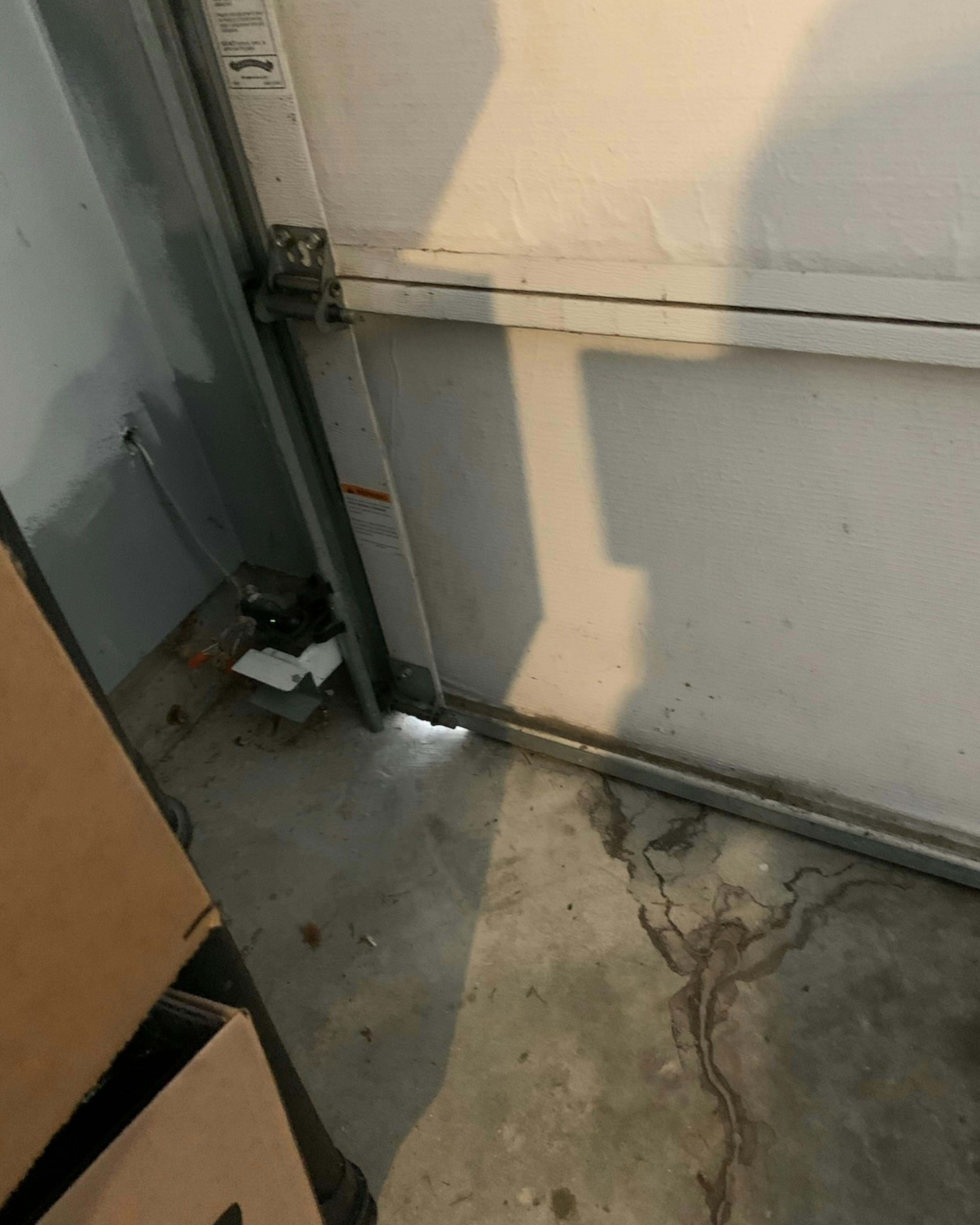
Step 4: Check Door Alignment
If your door is hanging "cock-eyed" or doesn't close flush with the ground, no amount of rubber will stop a pest.
- Is the door level?
- Does the opener "force" the door down too hard (causing it to bounce back)?
- Are the tracks bent? A door that is out of alignment leaves a wedge-shaped gap—a literal open door for a rat.
The "Pest-Proof" Comparison
Material | Rodent Resistance | Longevity |
Standard Foam | Poor (Easily chewed) | 1-2 Years |
Vinyl Weather Stripping | Good (Durable) | 5-7 Years |
Metal-Reinforced Seals | Best (Virtually bite-proof) | 10+ Years |
Final Thoughts: Prevention is Cheaper than Repair
Rodents don’t just leave a mess; they love to chew on the nylon coating of garage door cables and the wiring of your motor. A few hundred dollars in preventative sealing can save you thousands in electrical repairs or pest removal.
Ready to Secure Your Garage?
If you’ve seen "daylight" under your door or noticed signs of gnawing on your seals, don't wait. Lions Gate Garage Doors Ltd. can perform a full perimeter inspection and install heavy-duty, rodent-resistant seals to keep your home safe and clean.