
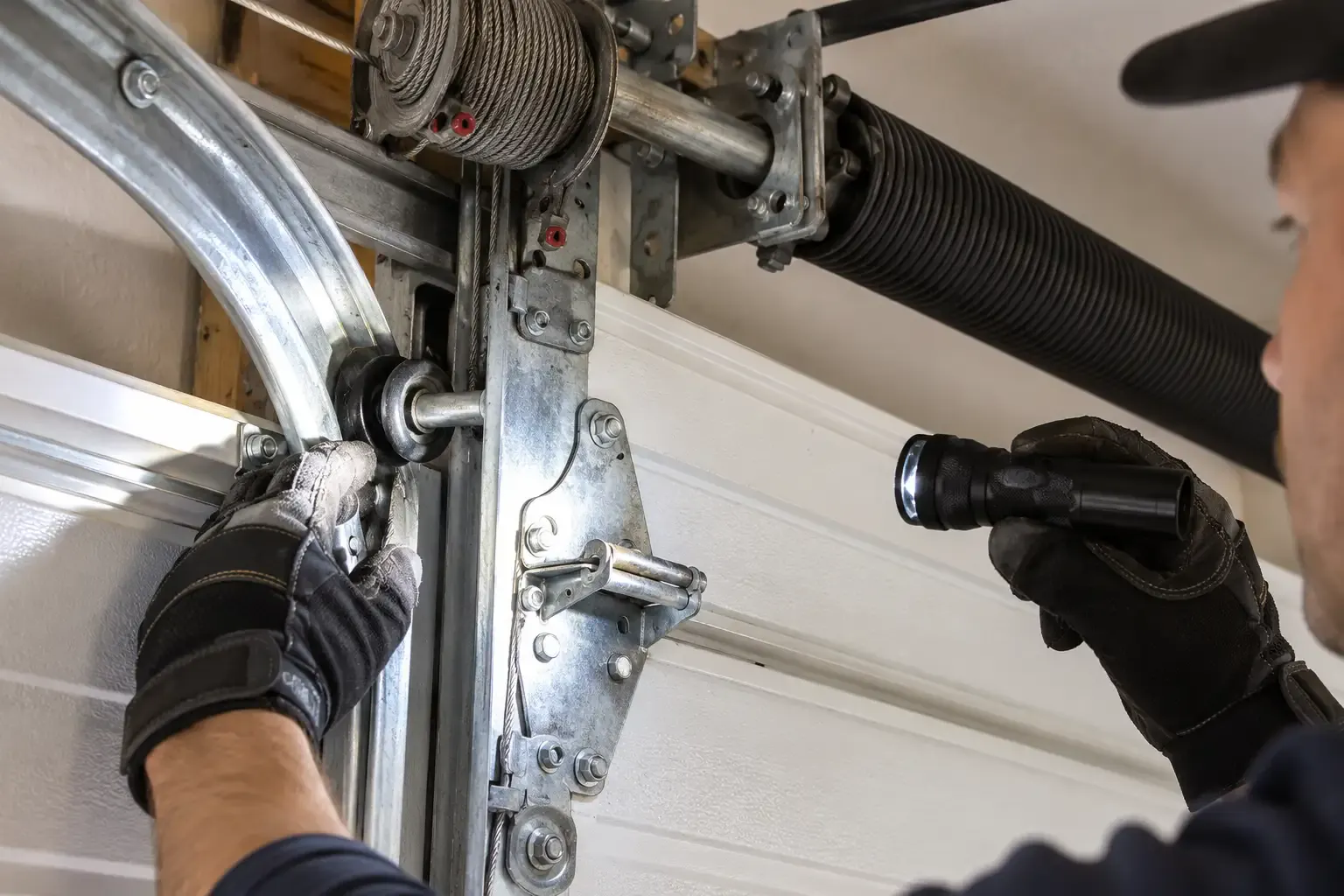
Garage Door Inspection Before Buying a House: A Practical Checklist
Monday, October 26, 2026
A garage door inspection before buying a house can reveal repair costs and safety concerns that are easy to miss during a quick viewing. Look beyond the paint and style. A garage door may have worn springs, bent panels, noisy rollers, loose cables, damaged seals, or an opener that does not close safely. You can make basic visual notes, but high-tension parts and full safety testing should be left to a qualified professional.
For homebuyers in Surrey, Vancouver, Burnaby, Langley, and other Lower Mainland areas, a garage may be used every day and may share a wall with the house. Moisture at the floor and older opener equipment deserve attention too. This checklist shows what to ask the seller and when to seek garage door repair advice. You can also see the service options at Lions Gate Garage Doors.
Quick takeaways
- Check visible panels and seals without handling hardware.
- Ask for service records and opener details.
- Get a technician to inspect springs, cables, and balance.
Start with the garage door's overall condition
You can spot some concerns without touching the moving hardware. During a viewing, look for:
- Bent, cracked, or rusting door sections.
- Uneven gaps around the closed door.
- A door that looks crooked or does not sit level.
- Damage around tracks and mounting points.
- Fresh patches or paint that may hide past impact.
Look at the joint between each section and whether the panel profile appears consistent. If one section has been replaced, ask why and whether the part matches the original model. A repaired door can be perfectly sound, but it is useful to understand what happened. Take photos for a professional review rather than trying to straighten parts yourself during a showing.
Check springs and cables without touching them
Garage door springs help balance the door's weight. Lift cables connect to the counterbalance system. Both can hold dangerous forces, even when the door is closed or the opener is off.
From a safe distance, note any obvious broken spring, loose cable, frayed strands, crooked door, or damaged bracket. Do not reach toward these parts, loosen bolts, or operate a door that appears unsafe.
Ask whether the springs have been replaced and when the last service occurred. A seller may not know the cycle rating, but invoices can show the work completed. The existing guide to signs of a broken garage door spring explains common warning signs. If you see one, a professional inspection is a better choice than a demonstration using a suspect door.
Look at tracks, rollers, and hinges
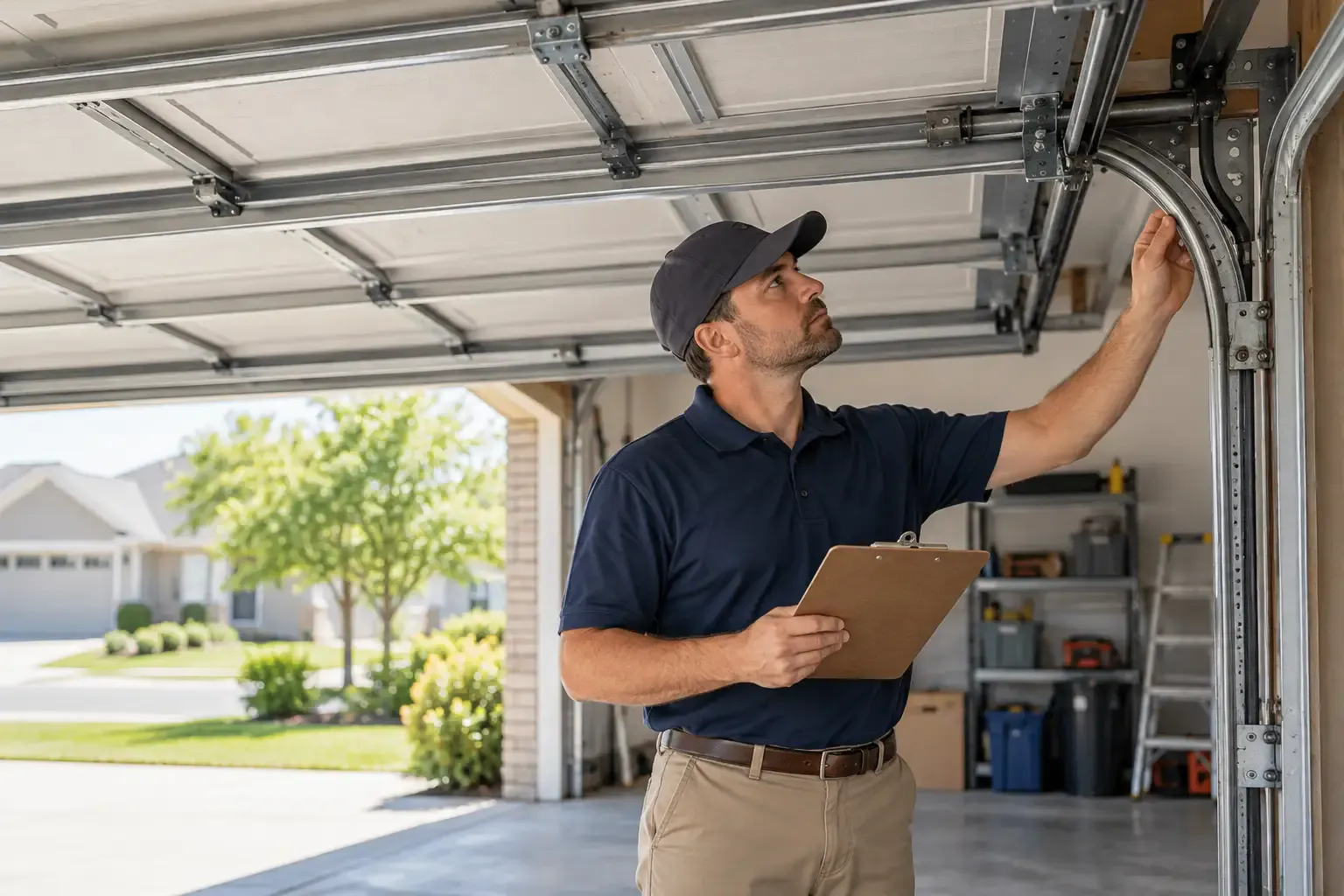
Vertical tracks should not appear sharply bent or pulled away from their mounting points. Rollers should be seated, and visible hinges should not show obvious breaks. Rust, loose fasteners, or scrape marks may be clues that maintenance is needed.
Still, a visual check alone cannot confirm correct alignment. Some problems become clear only when the full door is tested by a trained technician.
Ask the seller whether the garage door has ever jumped a track or been hit by a vehicle. That history may explain repaired sections or changed hardware. If the door is visibly crooked, do not ask someone to run it again just to see whether it works. A jammed door can move suddenly, and forcing the opener may make the problem worse.
Check the opener, remote, and keypad
Find out what opener model is installed and whether remotes, wall controls, and any keypad will be included with the property. Ask if the seller has app access through a connected opener, because accounts and permissions may need to be transferred or reset. Verify whether any backup battery or special accessory is part of the system. An older opener can still work, but age and available safety features matter.
If the door looks safe, request a normal demonstration by someone familiar with it. Notice unusual grinding, slow travel, repeated stops, and whether the opener closes as expected. Do not override a safety fault or try to force the door through an obstruction. Our garage door opener service page explains the difference between opener repair and replacement options.
Ask about safety sensors and reversal testing
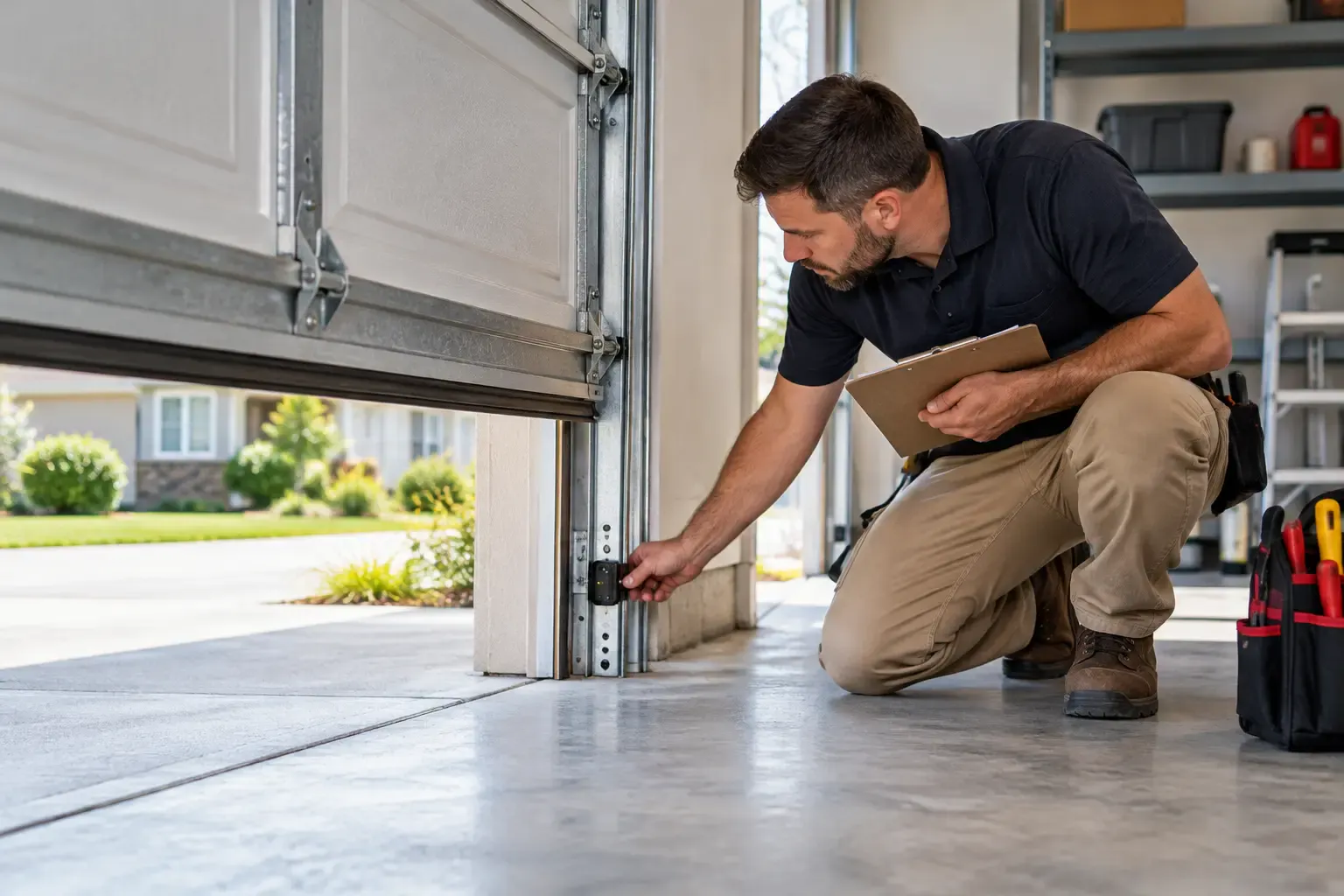
Photo-eye sensors near the bottom of the opening help stop the door from closing when something blocks its path. You can visually note whether sensors appear present, damaged, or blocked, but the correct safety test should follow the manufacturer’s procedure. A professional can check sensor operation, reversal settings, mounting, and wiring. A motor that closes only after someone bypasses a sensor needs attention.
It is also worth asking if the seller has had problems with a door reversing for no clear reason. Sensors can become dirty, misaligned, or damaged, but a reversal may have another cause. The site's photo-eye troubleshooting guide provides more background. The important point for a buyer is that safety systems should work before the door becomes part of daily family life.
Inspect weather seals and signs of water entry
Look at the bottom seal, side weather stripping, and the concrete near the entrance. Daylight under a closed door can show a gap, while water stains or damp storage boxes may suggest past leaks. Vancouver-area rain makes these observations especially helpful. A damaged rubber seal may be a simple repair, but water flowing downhill into a garage may need drainage work.
Look for rust near the bottom of metal panels and softened material on wood trim. Ask if the garage floods during strong rain or if moisture appears after every storm. A new seal will not solve every water issue. The rodent-proofing garage door guide explains how perimeter gaps can also let pests inside.
Review the garage space and door fit
A garage door needs enough headroom, side room, and backroom to travel. Check whether storage shelves, new lighting, or overhead racks interfere with its path. In a home with a second vehicle space, look at how each door operates and whether both use the same opener design. An altered garage layout may be hiding a clearance problem that will affect future repairs or replacement.
If you hope to install a taller vehicle, workshop storage, or a new opener later, ask for door dimensions and track details. The suitability of the garage depends on more than the width of the outside opening. A professional can explain what equipment would fit if you plan a renovation after purchase.
What records should you request from the seller?
A door may look fine but still need service soon. Ask the seller or agent for:
- Any invoices for recent spring, cable, or opener repairs.
- The make, model, and age of the door and opener, if known.
- Installation or product warranties that can transfer.
- Notes about past water leaks, accidents, or impact.
- All remotes, keypads, codes, and operating manuals.
Use a clear list of visible concerns when speaking with your home inspector or garage door technician. A general home inspection may note obvious problems, but a specialized garage door inspection can focus on spring balance, cable condition, hardware, and opener safety. The goal is not to turn every older door into a replacement project. It is to understand the likely next steps before making a decision.
Homebuyer inspection checklist
Area
What to look for
Who should assess it
Panels and seals
Dents, rust, gaps, water traces
Buyer can view from a safe spot
Springs and cables
Visible rust, fraying, or a gap
Garage door technician
Tracks and rollers
Bent metal or rough travel
Garage door technician
Opener and sensors
Smooth action and safe reversal
Qualified inspector or technician
Records
Age, repairs, warranty, remotes
Seller and buyer’s agent
Garage door inspection FAQs for homebuyers
Should a home inspector check the garage door?
A general inspector may review visible operation and safety concerns, but the exact scope varies. Ask what is covered and request a garage door specialist if you see a fault.
Can an older garage door still be safe?
Yes, age alone does not prove failure. Its condition, maintenance, balance, hardware, and safety systems matter more than appearance or age by themselves.
Should I ask the seller to replace a noisy opener?
Not without a diagnosis. Noise may come from rollers, tracks, springs, or the opener drive. First find out which part needs attention and what repair would cost.
Know what you are buying before you move in
A careful garage door check can help you budget for repairs and avoid an early safety problem after closing. If the door is crooked, noisy, damaged, or unreliable, arrange expert review before depending on it. Lions Gate Garage Doors provides garage door repair and estimates for homeowners across the Lower Mainland.